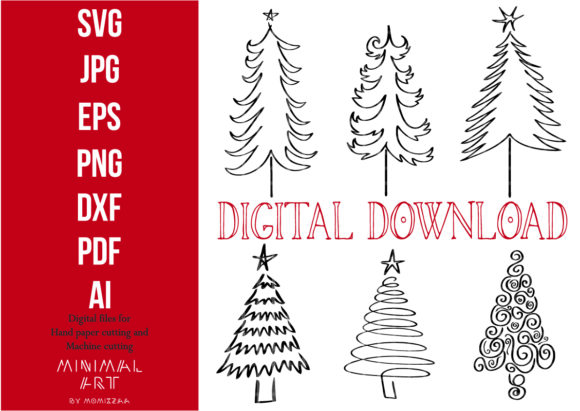
A Designer's Look at Christmas Tree Clip-art for Embroidery
When a new design lands on my desktop, my first question is always: how will it live in the real world? This Christmas Tree Clip-art Wall Art graphic isn't just a digital file; it’s a potential embroidered pillow cover in a cozy living room, a festive tote bag carried through the holiday market, or a custom sweatshirt gifted to a family member. Let’s walk through what it offers for makers and small businesses.
The Immediate Mood & Where It Naturally Belongs
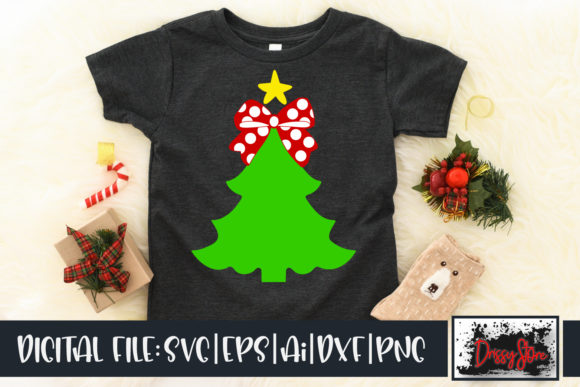
The first impression of this design is classic and clean. It carries a straightforward, graphic holiday spirit—not overly ornate or sentimental. That visual personality makes it incredibly versatile. It feels like it belongs on crisp linen kitchen towels, a baby’s first Christmas bib, or as a neat patch on a canvas apron. The shape is balanced, offering a solid foundation for stitching without tiny, fussy details that can get lost in translation from screen to thread.
For an embroidery project, this clarity is a gift. I imagine it stitched onto a neutral-toned sweatshirt with rich green and red thread; it would look polished, not childish. That’s key for appealing to a broader audience, from clients wanting boutique-style holiday merchandise to crafters making gifts for friends who prefer a more modern take on Christmas decor.
Performance in Real-Life Embroidery Projects
Let’s talk application. I’m picturing a specific scenario: preparing a batch of custom embroidered tote bags for a small shop’s holiday pop-up. Using this Christmas Tree Clip-art as the central motif, the goal is crisp, professional-looking results that withstand use.
On sturdy canvas tote bags, the design would hold up beautifully. The likely fill stitches for the tree body would create a satisfying, solid texture. On apparel like crewneck sweatshirts, it would need proper stabilizer due to the knit fabric, but the lack of extreme detail minimizes potential puckering. For baby clothes or blankets, using softer threads and adjusting stitch density slightly would make it gentle and durable for little ones.
This graphic also shines for creating embroidered patches. Its defined edges are ideal for a clean satin stitch border, making a patch that could be applied to caps, aprons, or stockings. For home decor—pillow covers or tea towels—it offers a scalable focal point. A larger hoop size would allow for beautiful detail in the tree layers, elevating the perceived value of the finished product.
Where a Careful Approach is Needed
While adaptable, any design requires thoughtful application. On very small hoop sizes, perhaps for a delicate ornament or a tiny corner of a handkerchief, the simpler elements would still work, but you’d lose some of the graphic impact. It’s a design meant to be seen.
Textured fabrics like thick sweaters or looped towels might blur the clean lines slightly, requiring a test run on scrap material first. On dark fabric backgrounds, thread color contrast becomes paramount—a classic green tree on a black sweatshirt would pop, but you’d need to ensure your thread choices are vibrant enough.
The design doesn’t appear to have intricate corners or tiny lettering, which is a relief for projects on curved surfaces like caps. However, on stretchy fabrics, the usual best practices apply: robust stabilizer and potentially reducing the stitch density in the machine embroidery file settings to prevent distortion.
Impact on Your Product & Your Customer
Using a clean, recognizable design like this Christmas Tree Clip-art directly affects your product’s appeal. It communicates a sense of intentional craft. A customer seeing it on a handmade product trusts the maker’s eye—it looks deliberate and professional, not haphazard. This builds brand consistency if you’re a small business owner offering holiday lines; your items feel cohesive.
For giftability, it’s excellent. A personalized tea towel or pillow cover with this tree feels timeless, not trendy, increasing its likelihood as a kept and reused item. The recognition is instant—it’s a Christmas tree—but the execution through embroidery makes it special. That engagement is what turns a viewer into a buyer at a craft fair or on an Etsy listing.
Practical Notes for the Embroidery Designer
Before you run this design on a final project, here’s my standard checklist. Always test it on a scrap of your target fabric. This reveals how the stitch density interacts with the material and whether any small details need tweaking. Check your thread color contrast against both light and dark backgrounds; sometimes a digital preview doesn’t tell the full story.
Since the product description lists multiple formats like AI, EPS, SVG, and DXF, these are typically excellent for scaling and editing in software before converting to your specific machine embroidery file format. However, always confirm the final compatibility with your embroidery system and the required hoop size for your intended project.
Critically, review the licensing terms for this graphic. The description mentions possible uses including paper crafts and vinyl, but for embroidery designers and creative entrepreneurs planning to sell finished items—like tote bags, apparel, or patches—you must explicitly confirm that commercial use for physical products is permitted. This protects your craft business.
Finally, consider creating printable mockups using the provided JPG or PNG files to showcase your finished product idea in digital storefronts. This preview helps customers visualize the embroidered result and can significantly boost your listing’s appeal.
A Solid Foundation for Holiday Crafting
This Christmas Tree Clip-art Wall Art, from the perspective of someone who turns designs into stitched reality, is a reliable, versatile asset. It won’t fight you during the embroidery process. It lends itself to products that feel handmade yet polished. Whether you’re embroidering a single holiday gift or producing a small run of merchandise for your shop, it provides a strong, festive centerpiece that, when executed with care, will look as good in thread as it does on screen.