Evaluating a Christmas Face Mask Design for Embroidery
First Impressions: A Festive, Clean Graphic for Seasonal Projects
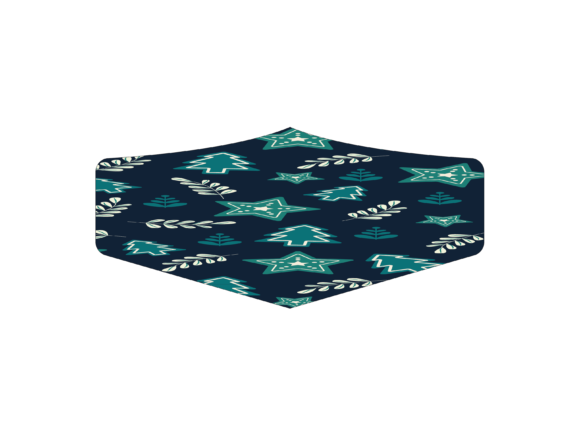
Opening the Face Mask Christmas Design file, my immediate reaction is that it feels perfectly positioned for holiday crafting. The design belongs squarely in the Graphics and Illustrations category, and its clear, graphic nature translates well to a mental image of thread. It’s not overly sentimental or cartoonish; it has a modern, clean personality. For an embroidery designer looking at seasonal work, this suggests a versatile piece—one that could feel playful on a child’s item or stylish on adult apparel.
Where This Design Naturally Belongs in Your Project Lineup
Thinking through my upcoming holiday orders, I picture this design stitched onto a canvas tote bag for a gift exchange, or centered on a cozy sweatshirt. Its defined shape and likely moderate detail level—given the description—would make it a strong candidate for patches, aprons, or pillow covers destined for boutique holiday merchandise. The theme is instantly recognizable, which is gold for small business owners and Etsy sellers. A customer browsing a handmade shop sees “Christmas” and “face mask” combined, and understands the product immediately—it’s nostalgic yet current.
Visual Appeal and Customer Perception Post-Stitching
Once embroidered, a design like this relies on stitch clarity to hold its charm. I’m considering how the elements would translate: the mask outline likely via a crisp satin stitch, the festive details with fill stitches. On a dark fabric, like a navy sweatshirt, the contrast would need to be high—bright reds and whites—to keep the graphic pop. For a baby item or nursery decor piece, perhaps on a light blanket, softer thread colors could make it feel gentle. The product value increases when the embroidery is clean and professional; a messy stitch on a good graphic undermines customer trust. This design, executed well, would enhance a handmade presentation significantly.
Navigating Real Embroidery Challenges with This Graphic
This is where practical judgment comes in. The provided print size of 19 cm x 13 cm is helpful, but for machine embroidery design, hoop size compatibility is paramount. I’d need to test the embroidery file in my software to ensure it fits a common hoop, like a 5x7 or 6x10, for typical items like caps or tea towels. On curved surfaces like caps, the rectangular graphic might require careful placement to avoid distortion.
The detail level described suggests there could be small areas. On textured fabrics like a knit sweater or a thin, stretchy fabric for baby clothes, a good stabilizer is non-negotiable to preserve those details. For products needing frequent washing—like kitchen towels or personalized gift aprons—I’d consider a robust fill stitch density to prevent premature wear. This isn’t a design I’d risk on a tiny hoop without a test run; those small corners and any potential tiny lettering need to stitch out cleanly.
A Real Scenario: Crafting Holiday Gifts for a Client Order
Imagine a last-minute request from a client: twenty custom embroidered tote bags as corporate holiday gifts. They want something festive but not generic. The Face Mask Christmas Design could be a fresh choice. My process would start on scrap fabric: testing thread color contrast, reviewing stitch density to ensure speed without skimping, and confirming it looks sharp in both black and white mockups for the client preview. Using proper stabilizer for the bag material is key. If the design works cleanly, it becomes a reliable, scalable asset for the commercial embroidery project, boosting my professionalism and the client’s engagement with the final product.
Essential Designer Notes Before You Stitch or Sell
Always test on scrap first. This is my mantra. For this design, I’d check:
- Thread color contrast on both light and dark fabric backgrounds.
- How small details render at the intended size.
- The need for any stitch type adjustments (more satin stitch for borders, perhaps).
- That the provided file formats—AI, PNG, JPG, SVG—are compatible with my embroidery software for digitizing or creating printable mockups.
Furthermore, for craft businesses and digital product sellers, confirming licensing is crucial. The description doesn’t specify license terms. Before selling finished items like embroidered patches or baby embroidery, or using the design in digital product previews for your shop, you must verify the license permits commercial use. This protects your business and maintains buyer trust.
The Final Take: A Solid Graphic for Seasonal Maker Projects
The Face Mask Christmas Design strikes me as a practical, theme-driven graphic asset. It’s not just a file; it’s a potential centerpiece for holiday embroidery projects that resonate with customers. Its strength lies in its clear theme and likely clean layout, making it a candidate for everything from personalized gifts to small shop merchandise. Handle the technical embroidery considerations—hoop size, fabric choice, stabilizer—with care, and this design can elevate your holiday craft business offerings, adding a touch of professional, festive charm to your handmade product line.